Mkomazi National Park
Map of Mkomazi National Park
Tap to enlarge map
Mkomazi National Park
The northern circuit has its crowds. Mkomazi has everything else.
While convoys of vehicles circle the Serengeti and queue at Ngorongoro’s rim, Mkomazi sits 200 kilometres to the east — larger than most people expect, nearly empty, and holding something you won’t find anywhere else in Tanzania: a functioning black rhino sanctuary with open visitor access.
That alone should make it famous. It hasn’t. Which means it’s still yours.
The Park
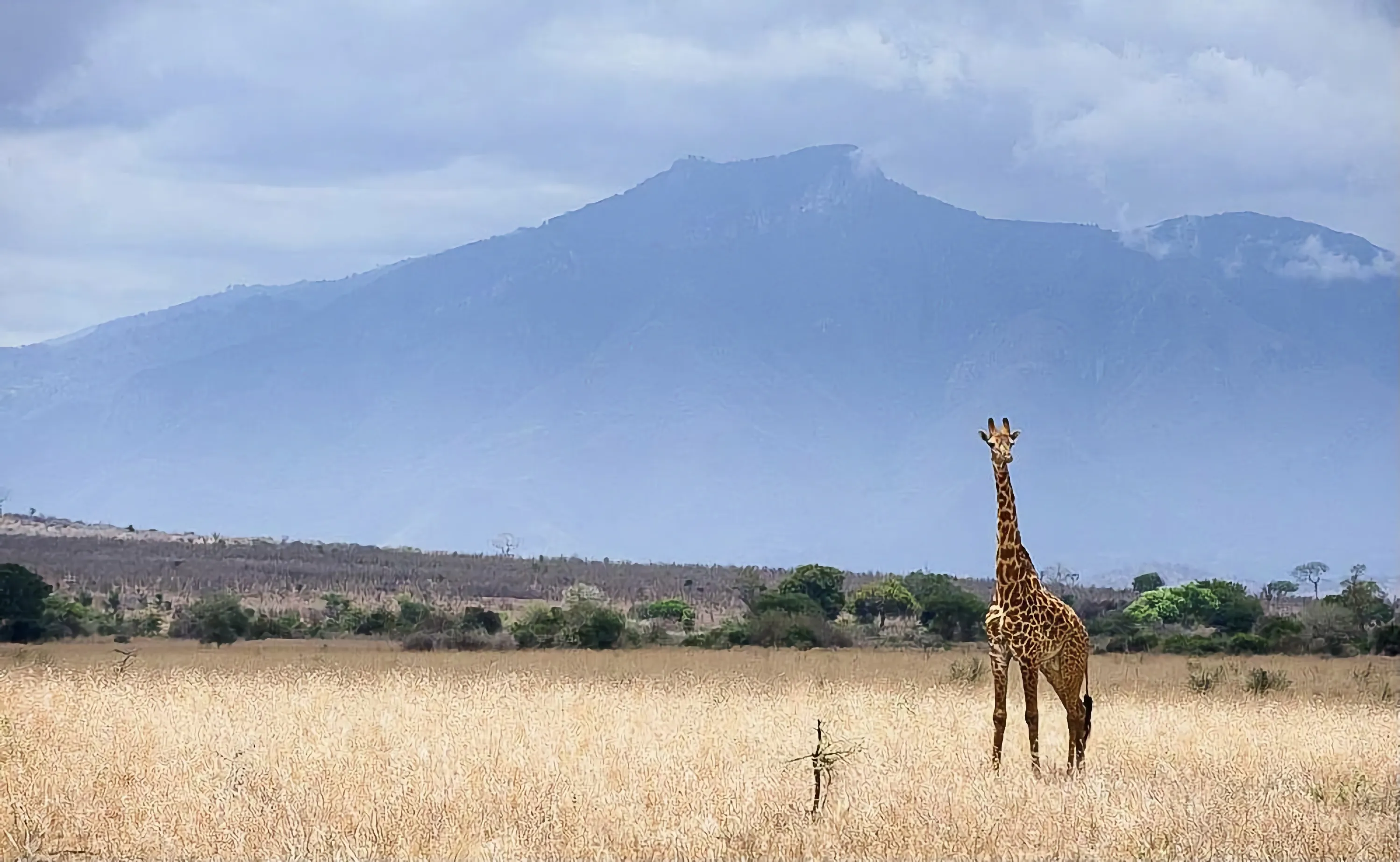
Mkomazi occupies a remote northeastern corner of Tanzania, set beneath the dramatic slopes of the Pare and Usambara Mountains. In the distance — across the open plains — Kilimanjaro stands on the horizon. The name comes from the Pare word for “scoop of water,” a dry-country understatement that tells you something about the character of the place.
The landscape sits in the southern tip of the Sahel zone — classic nyika bush of grey-green scrub, ancient baobab trees, and isolated rocky hills, opening into umbrella acacia woodland and shallow grass valleys. It’s not the lush green savannah people imagine when they think Tanzania. It’s harder than that, and more honest.
Mkomazi shares an unfenced border with Kenya’s Tsavo West National Park, forming one of East Africa’s largest transboundary wilderness areas. Wildlife moves freely between the two reserves. You’re not in a park so much as a corner of a much larger system.
The Rhino Sanctuary
This is the reason to come.
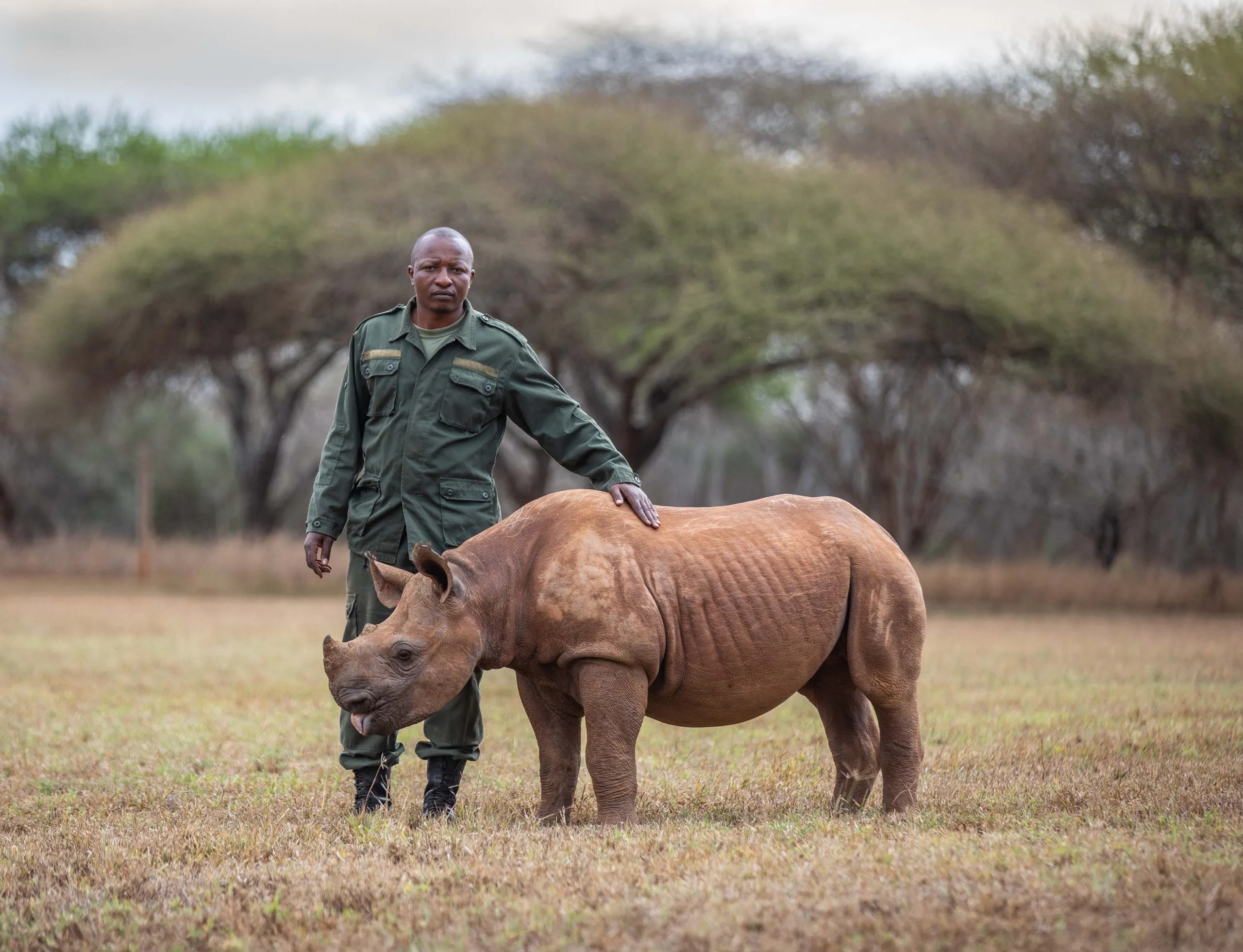
In 1989, the Tanzanian government partnered with the George Adamson Wildlife Preservation Trust to restore habitats and reintroduce two endangered species: the black rhino and the African wild dog. The rhino sanctuary — a heavily fenced, intensively protected area within the park — has become one of Tanzania’s key breeding strongholds for the species.
Visitors can enter the sanctuary to observe these animals up close: an experience that highlights the impact of decades of sustained conservation work. You arrive in a park vehicle, guided by sanctuary staff. The rhinos are not habituated in the way that a lodge elephant might be — they’re wild, managed for conservation, and treated accordingly. That seriousness is part of what makes it matter.
The wild dog program has had similar results. Mkomazi is one of the few places in Tanzania where visitors have a genuine chance of seeing African wild dogs — an animal that has disappeared entirely from most of its former range.
Wildlife
Mkomazi rewards patience more than it rewards speed. Wildlife is thinly distributed across a large area — but all of the Big Five are present.
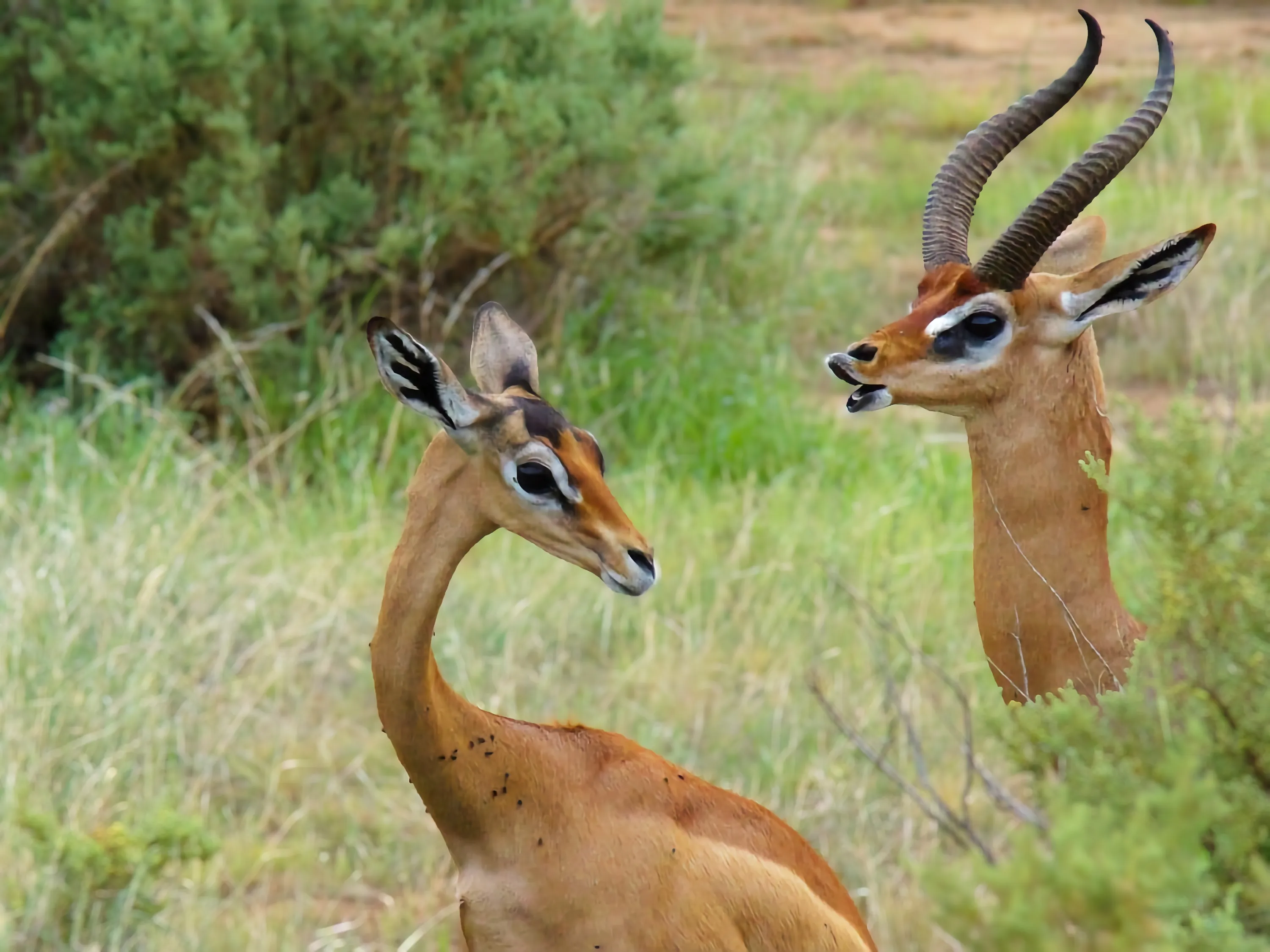
Typical dry-country species include giraffe, oryx, gerenuk, hartebeest, lesser kudu, eland, impala, and Grant’s gazelle, alongside elephant and buffalo. The gerenuk — a long-necked antelope that browses standing on its hind legs — exists nowhere else in Tanzania. That fact tends to register when you see one doing exactly that against a baobab at dusk.
Predators including lion, leopard, cheetah, hyena, and wild dog are present, though the park’s scale and density mean sightings require time. Game drives here are not the theatre of the Serengeti. They’re quieter, more deliberate.
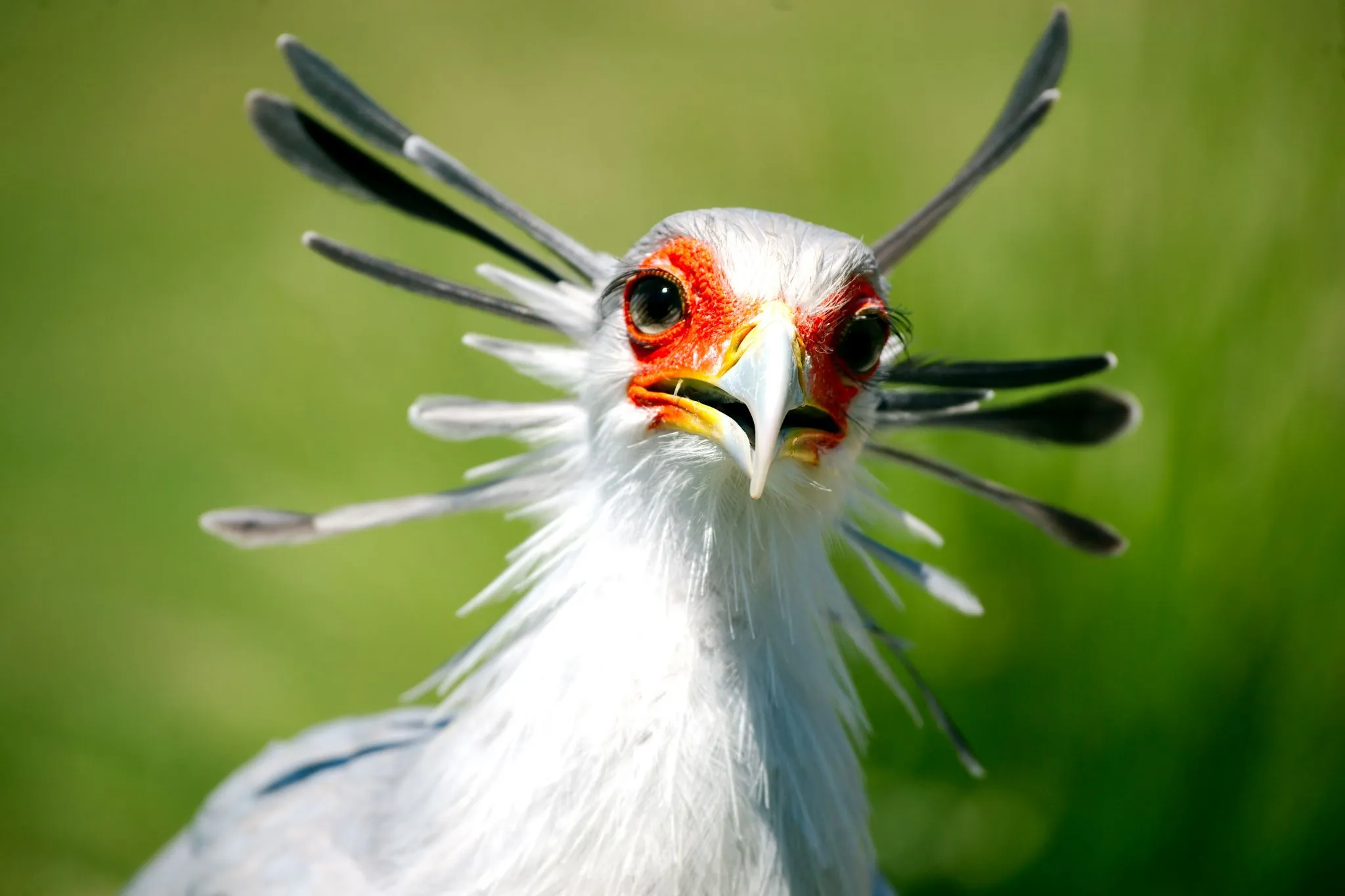
Birdlife is exceptional — over 400 recorded species, including northern dry-country specials like Shelley’s starling, three-streaked tchagra, and the vulturine guineafowl, found nowhere else in Tanzania.
Activities
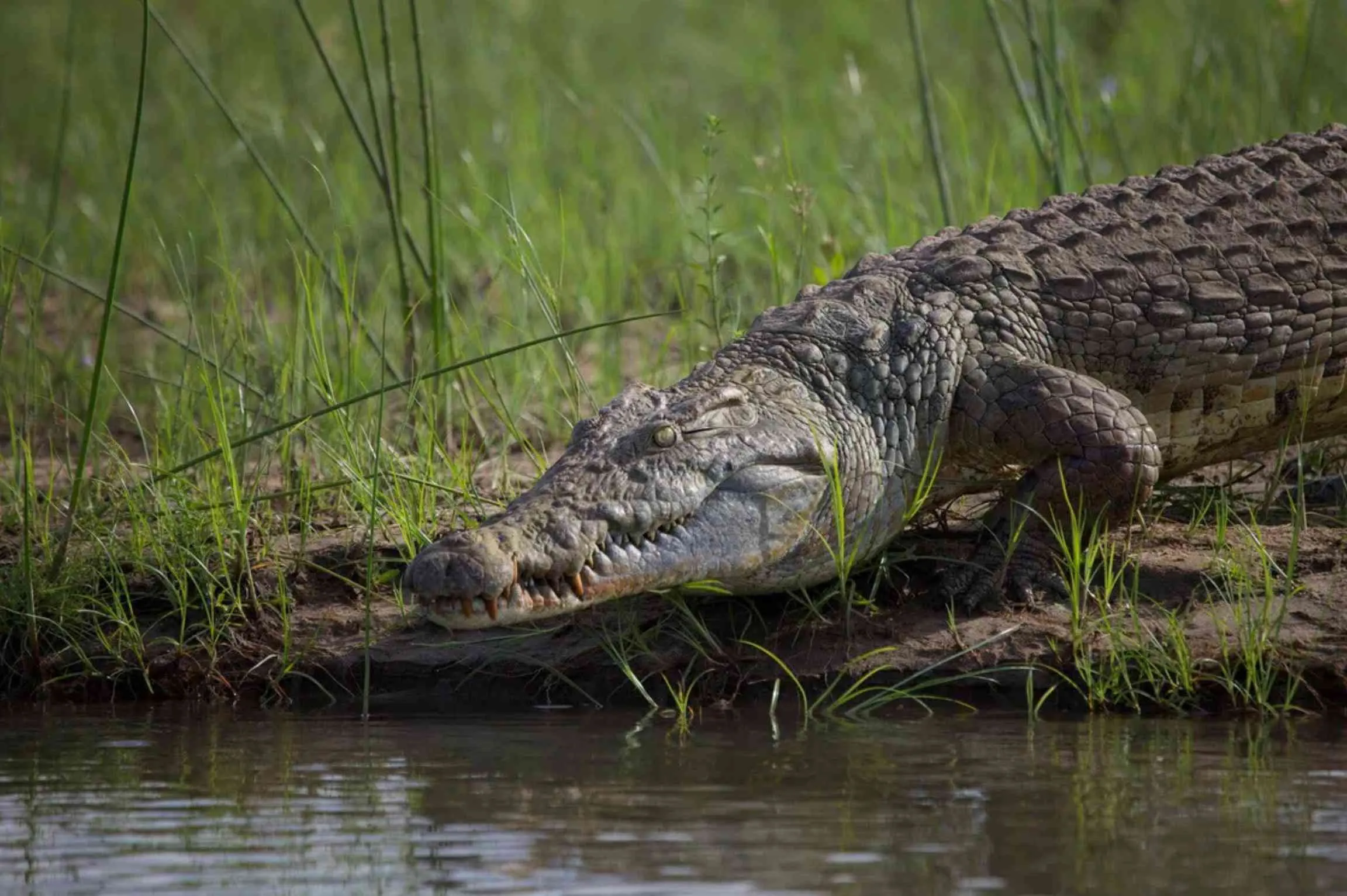
Game drives are the core activity. The Dindira Dam is one of the main wildlife hotspots — a reliable water source that draws crocodiles, monitors, and a steady rotation of mammals. Morning drives are the most productive; the light off the mountains is also worth getting up for.
Walking safaris work well here. The vast open spaces and low visitor numbers make Mkomazi well-suited to guided walks in a way that busier parks are not. With an armed ranger and no other vehicles in sight, the experience is closer to genuine bush time than most safari products manage.
Rhino sanctuary visits require a separate booking through the park and should be arranged in advance. The visit is guided and conducted in park vehicles once inside the sanctuary fence.
When to Go
The dry season — June to October — is the best time for general wildlife viewing. Vegetation is thinner and animals concentrate around water sources.
November through February works well too. The short rains in November are usually brief, and December through February brings clear skies and good light.
March and April are the long rains. The park becomes difficult to navigate and some areas close.
Getting There
The most practical approach is by road from Arusha or Kilimanjaro International Airport. From Arusha the drive is roughly four to five hours; from Moshi, around three. The park entrance is near the town of Same, accessed through Zange Gate.
Charter flights to Same Airstrip or Kisima Airstrip are available and cut the journey considerably, though they must be booked in advance and don’t operate on fixed schedules.
The road from Arusha passes the southern flanks of Kilimanjaro and through the Pare foothills. It’s a drive worth taking in daylight.
Where to Stay
Babu’s Camp is the only permanent tented camp inside the park — six walk-in canvas tents set among baobab and acacia, about 11 kilometres from Zange Gate. It’s mid-range, unfussy, and run by people who know the park well. Meals are prepared on-site, guiding is available, and rhino sanctuary visits can be arranged from the camp.
Outside the park, Same town has basic accommodation. It’s functional for an early departure but not a reason to linger.
Add It to a Longer Route
Mkomazi sits naturally at the junction of several itinerary structures. Coming off the northern circuit — Tarangire, Serengeti, Ngorongoro — it adds a genuinely different landscape and the rhino encounter before a drive to the coast or a flight south.
It also pairs well with the Usambaras. The mountain forests above Lushoto are two hours from Zange Gate. Walking trails, cool air, and Tanzanian highland villages make for a strong contrast after days in the nyika.
We build Mkomazi into itineraries where it earns its place — not as a checkbox, but as the part of the trip people end up talking about.
Plan a safari that includes Mkomazi →