Ruaha & Nyerere National Parks – The Wild Heart of Southern Tanzania
Ruaha & Nyerere — Tanzania’s Wild South
Most people who visit Tanzania never make it to the south. They fly into Kilimanjaro, do the northern circuit, add Zanzibar, go home. That’s a fine trip. But it’s not the whole country.
Ruaha and Nyerere sit in southern Tanzania, far from the standard routes, and together they form one of the largest protected wilderness areas on the African continent. Combined they cover more ground than many small countries. And on any given game drive, you may not see another vehicle for hours.
That is either the point, or it isn’t. If it is — this is the safari for you.
Ruaha National Park
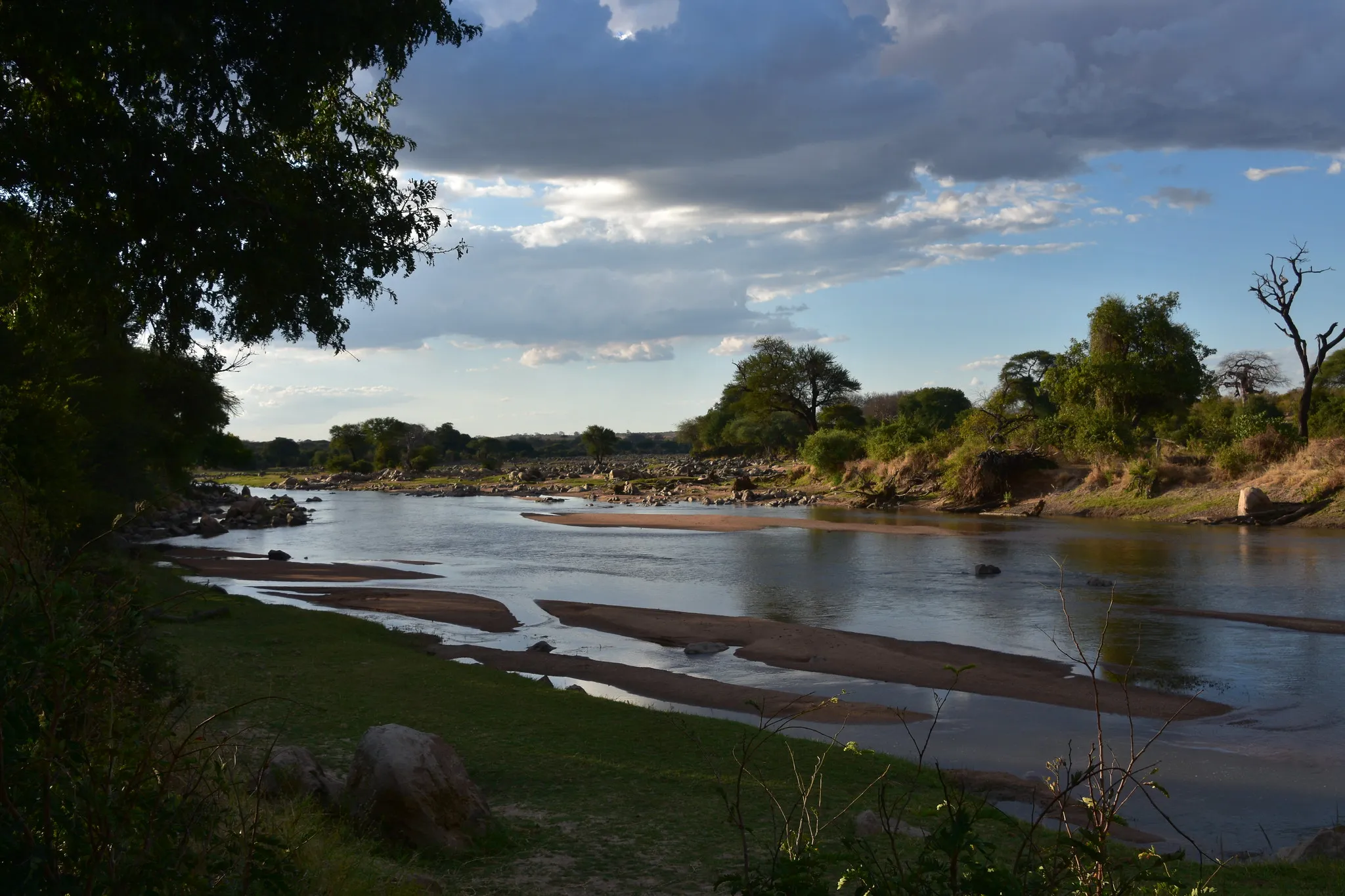
Ruaha is Tanzania’s largest national park and one of its least visited. The landscape is harder and drier than the north — rocky escarpments, ancient baobabs the size of houses, miombo woodland stretching to the horizon, and the Great Ruaha River cutting through the middle of it all.
In the dry season, from June through October, the river becomes the spine of the park. Everything comes to it. Elephants in the hundreds, arriving at dawn and dusk. Buffalo herds raising dust on the opposite bank. Crocodiles on every sandbank. And predators positioned close, watching, waiting for something to make a mistake at the water’s edge.
Ruaha has one of the highest elephant populations in Tanzania — and these are not the relaxed, habituated elephants of Tarangire. They are wilder, more cautious, and more impressive for it.
The predator diversity here is exceptional. Lions and leopards are well represented, but Ruaha is also one of the better places in Tanzania to find cheetah and one of the few where African wild dogs are a realistic sighting. Wild dogs are the most endangered large predator in Africa. Ruaha protects a significant population. If seeing them is on your list, this is where to come.
The antelope species found here — greater kudu, sable, roan — are largely absent from the northern parks. Birders will find the miombo woodland species that simply don’t exist further north. Over 570 species recorded.
Walking safaris in Ruaha are among the best in Tanzania. The terrain is dramatic enough to be interesting on foot, the guides are experienced, and the absence of crowds means you can walk in genuine silence.
Nyerere National Park
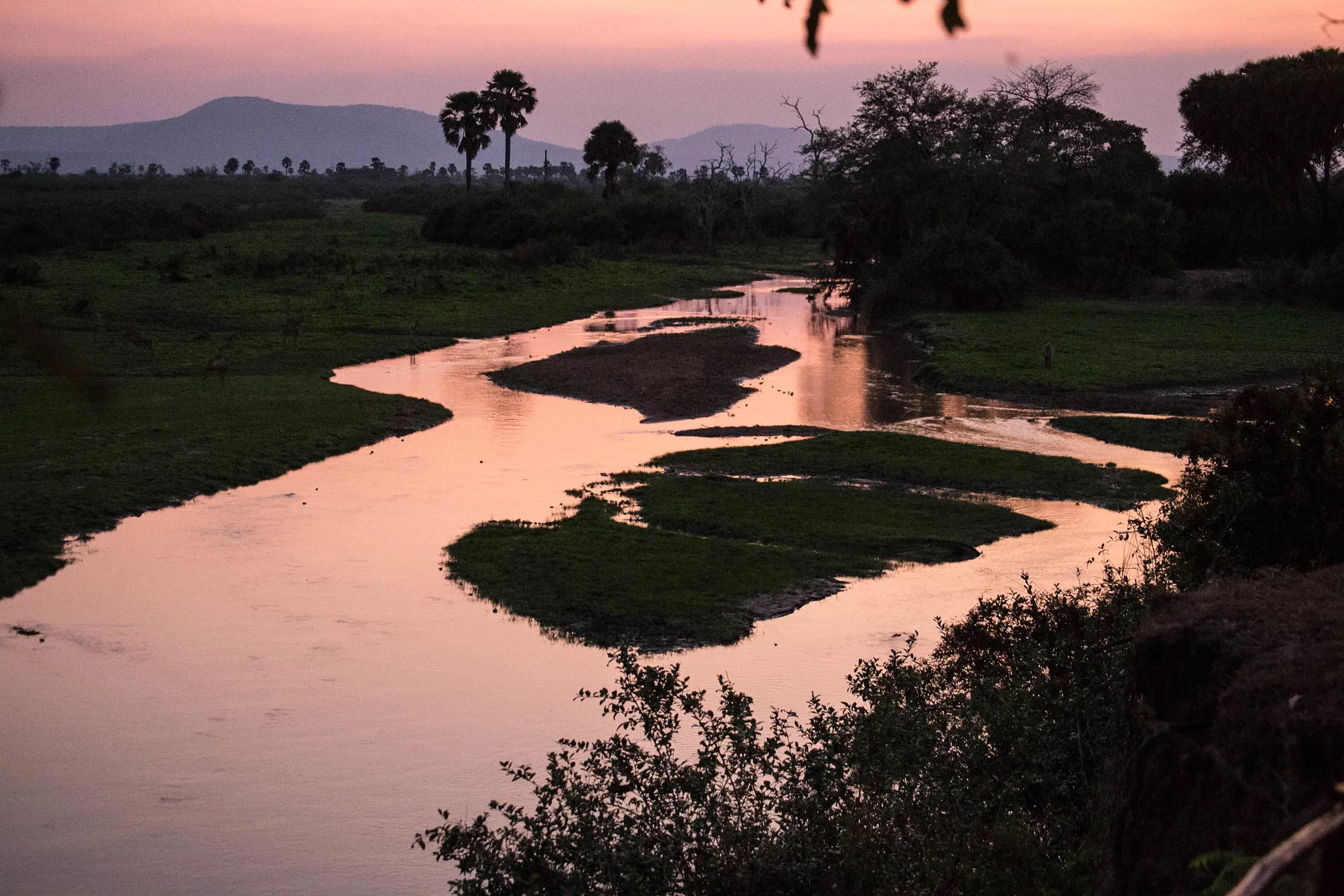
Formerly the Selous Game Reserve — one of the oldest and largest protected areas in Africa — Nyerere was renamed and gazetted as a national park in 2019. It covers roughly 30,000 square kilometres of river systems, floodplains, wetlands, and woodland. The tourism zone, where visitors are permitted, is a fraction of that. The rest is simply wild.
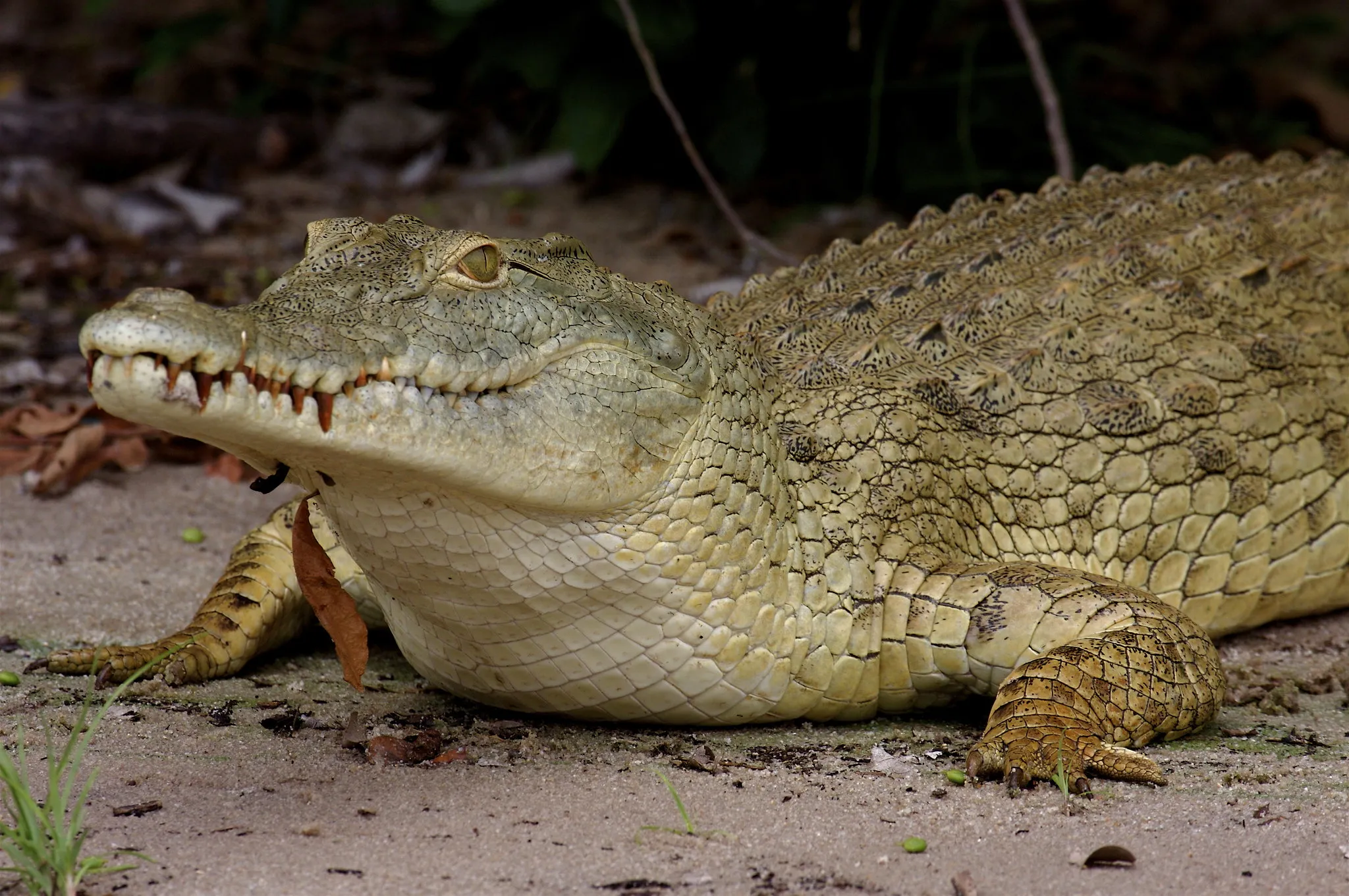
The Rufiji River is the heart of the park. It is wide, slow-moving in places and fast in others, lined with palms and fever trees, and absolutely alive. Hippo pools every kilometre. Nile crocodiles so large they look like logs until they move. Fish eagles calling from every tall tree. A boat safari on the Rufiji at dawn, with the mist still on the water and elephants drinking fifty metres off the bow, is one of the finest wildlife experiences in East Africa.
It is also completely different from anything you get in a Land Cruiser.
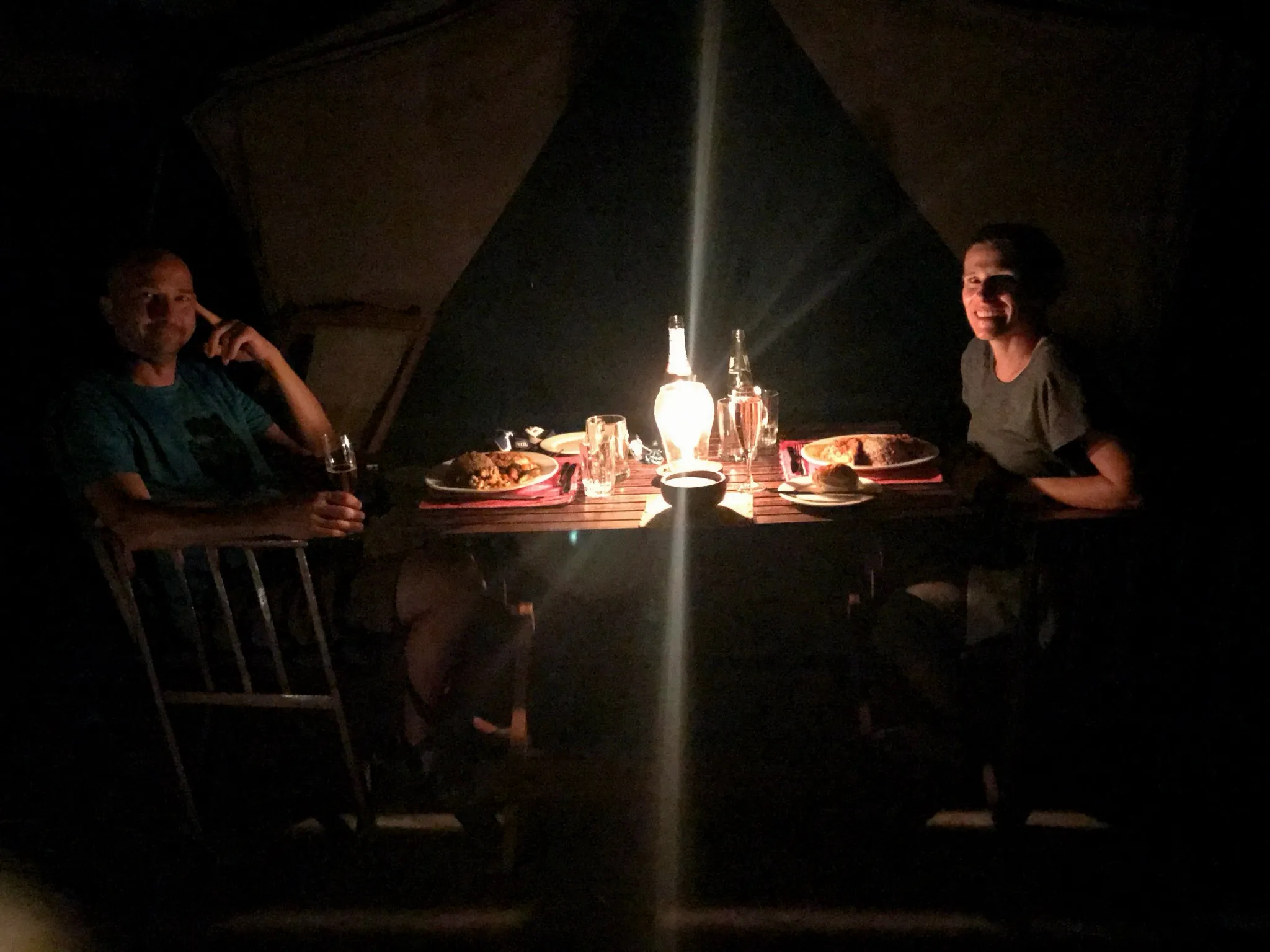
Walking safaris here go deep into terrain that vehicles can’t access — reed beds, floodplains, remote woodland. Fly-camping, where you spend a night in a temporary camp far from any permanent structure with nothing between you and the bush, is available and extraordinary. Not for everyone. For the right person, unforgettable.
Wild dogs are present here too, with a healthy population in the northern sections of the park. Elephant herds are massive. Lion and buffalo are abundant. The birdlife along the river is some of the best in Tanzania.
Why the South
The honest answer to why people don’t come here is logistics. The south requires a fly-in from Dar es Salaam or Arusha — there’s no practical overland option that doesn’t consume days. That extra step filters out most visitors, which is exactly why the parks feel the way they do.
If you’ve done the northern circuit before and want something genuinely different, the south is the answer. If it’s your first Tanzania safari and the idea of having the bush to yourself matters more than ticking every famous name, the south is worth serious consideration.
The wildlife is not lesser. The experience is not lesser. It is just different — rawer, quieter, and in some ways more honest about what a safari actually is.
Combining Ruaha and Nyerere
The two parks sit roughly 250 kilometres apart and are best connected by a short charter flight. Most itineraries spend three to four nights in each.
The combination works because the experiences are genuinely complementary — Ruaha gives you dramatic landscape and land-based game drives and walking; Nyerere gives you the river, the boat, and the floodplain. Together they cover terrain and activity that no single northern park can match.
We know both parks well. We know which camps are worth it, which operators run the better walking safaris, and what time of year each park is at its best.
When to Go
June – October is the dry season and the best time for wildlife in both parks. Water is scarce, animals concentrate, and the bush thins enough to make spotting easier. This is peak season and should be booked well in advance.
November – May brings the rains. The parks transform — green, lush, and atmospheric. Nyerere’s floodplains fill and the birdlife is at its peak. Some camps close during the heaviest rains (April – May). January through March can be very rewarding if you’re primarily interested in birds or don’t mind the occasional shower.
Getting There
Both parks are accessed by charter flight — from Dar es Salaam to the airstrips within each park, or via connections through Arusha. Flight times are short. The airstrips are basic and the arrivals memorable.
We handle all logistics including flights, camp bookings, and transfers. The south requires more careful planning than the northern circuit — fewer options, more specific timing. That’s exactly the kind of trip we’re good at.