8 Days — Kenya & Tanzania Safari — Luxury
8 Days — Kenya & Tanzania Safari — Luxury
The Masai Mara and the Serengeti are the same ecosystem divided by a line on a map — the same herds, the same predators, the same ancient movement back and forth across the grass. This itinerary follows that logic across both sides of the border, and adds Ngorongoro: an enclosed volcanic caldera with wildlife concentrations unlike anywhere else on the continent.
Three parks, two countries, eight days. Enough time to stop rushing and start paying attention. The camps at each stop are chosen for where they sit as much as how they’re run.
Day 1 – Arrival in Nairobi
You land at Jomo Kenyatta International Airport and transfer to your hotel in the city. If you arrive with time to spare, the Giraffe Centre and the David Sheldrick Elephant Orphanage are both worth an afternoon — a quiet introduction before the bush begins.
Tonight our partner team sits down with you properly — not a printed itinerary, a real conversation about where the herds are right now, what the week looks like, what to watch for. Early night. The Mara is tomorrow.
Day 2 – Nairobi → Masai Mara
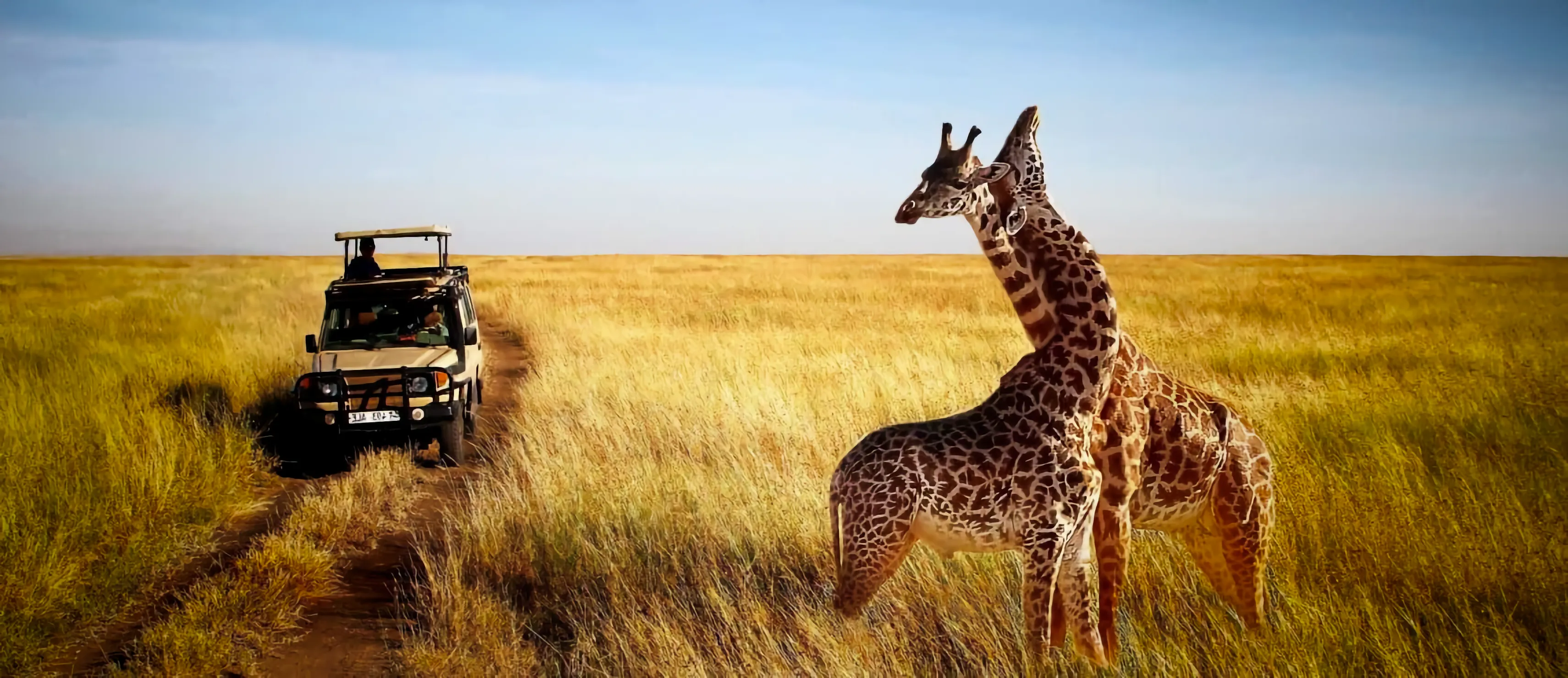
A short flight from Wilson Airport into the Mara — forty-five minutes instead of five hours on the road. The camps we use sit on the escarpment edge or deep inside private conservancies, with access and sightlines that the main reserve can’t match. Your afternoon game drive starts from the airstrip.
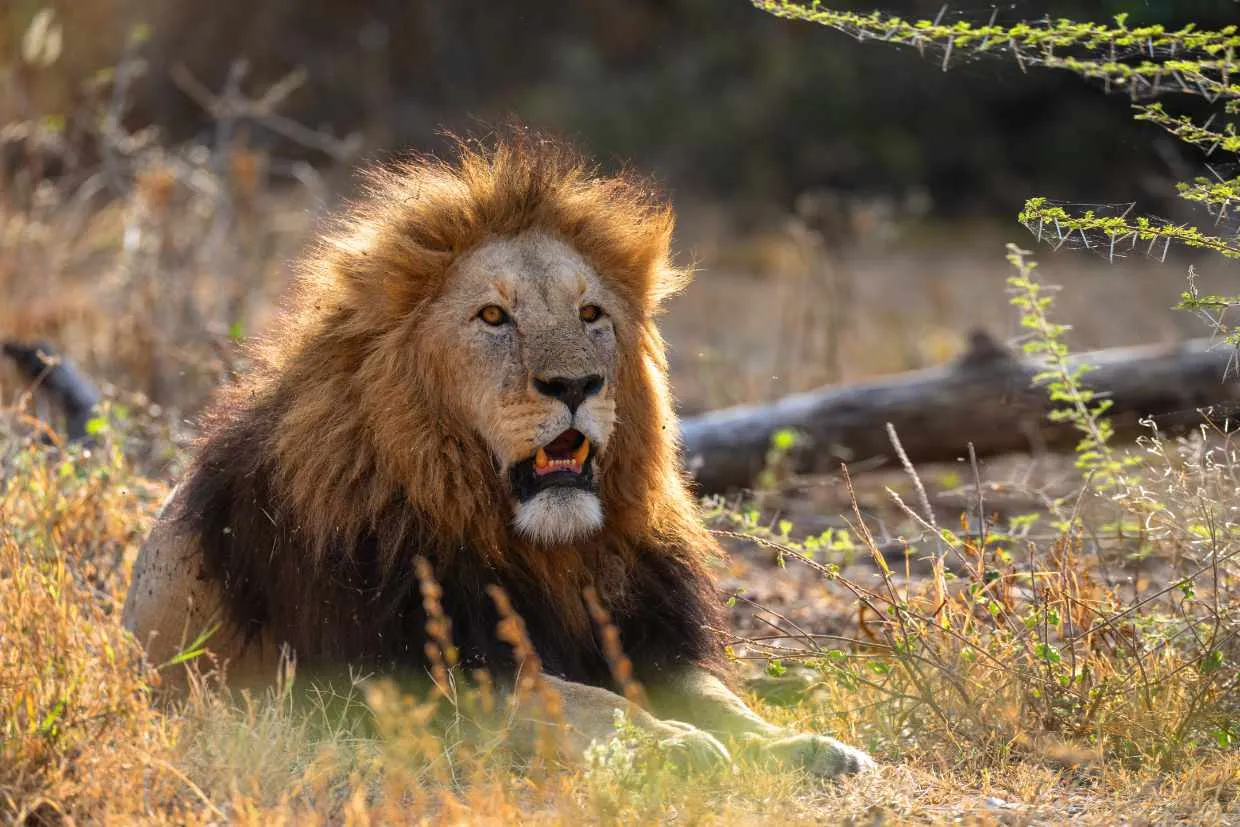
The Mara announces itself immediately. Lions by the road. Cheetah on a termite mound scanning the open grass.
Day 3 – Masai Mara
A full day. Morning drive when the predators are active and the light is low. Midday at camp. Afternoon drive as the temperature drops and things start moving again.
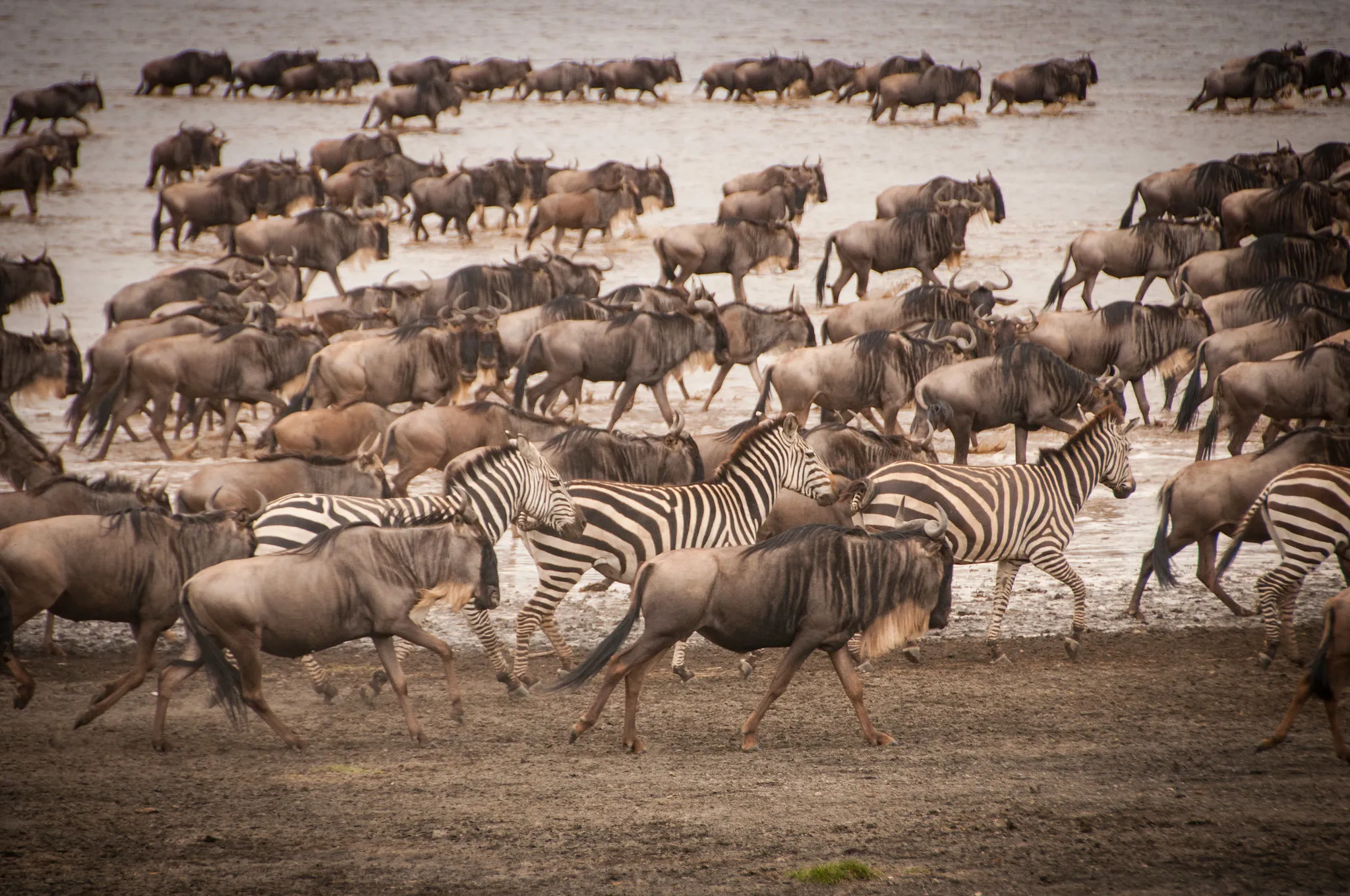
The Mara has one of the highest lion densities in Africa. Cheetah work the open plains; leopard move through the riverine forest at dusk. Between July and October the wildebeest are crossing the Mara River — your guide knows the crossing points and reads the timing. When it happens, the scale of it is genuinely difficult to process.
Outside migration season the Mara is quieter and still exceptional. The predator density doesn’t follow the calendar.
Day 4 – Masai Mara → Northern Serengeti
A morning game drive before a short charter flight south across the border into Tanzania. Fifteen minutes in the air, two countries, and your Jumbo Trails vehicle is waiting at the Serengeti airstrip. No border queues, no long road day — you’re in the field the same afternoon.
The northern Serengeti is where the migration concentrates between July and October, and where the camps are fewest. The space and silence here are part of what you’re paying for.
Day 5 & 6 – Serengeti National Park
Two full days. This is where the trip shifts gear — you’re not moving between parks anymore, you’re simply out in one of the world’s great wildlife ecosystems with time to use it properly.
Sunrise drives when the predators are active and the light is low and golden. A full day into a remote section of the park with a bush breakfast somewhere quiet. Sundowners on a kopje watching the plain go dark. Three nights here gives you the rhythm of the place — the first day you’re still arriving, the second you know where you are, the third you stop thinking about what comes next.
The hot air balloon at first light is worth arranging before you travel — up before dawn, an hour drifting over the herds, champagne breakfast in the bush. Book it in advance.
Day 7 – Serengeti → Ngorongoro Crater
Drive south toward Ngorongoro, descending into the crater at mid-morning before the day warms and the animals settle. The caldera floor is 260 square kilometres of enclosed grassland, marsh, and acacia woodland — the Big Five are all here year-round, including one of the last viable wild black rhino populations in Tanzania.
Picnic lunch on the crater floor. Afternoon drive before the ascent to the rim. Tonight your lodge sits above the caldera — the far crater wall twenty kilometres away, visible until the light fails.
Day 8 – Departure
A final morning on the rim before the drive to Arusha and your international flight. The drive takes about 3.5 hours through highland scenery.
If you’re continuing to Zanzibar — and many people do — the connection goes from Kilimanjaro Airport or via Dar es Salaam. We handle the logistics.
Key Facts
| Feature | Details |
|---|---|
| Duration | 8 days / 7 nights |
| Starting Price | USD 1,550 per person per day |
| Best Season | July – October for the Migration; January – March for calving |
| Parks Visited | Masai Mara, Serengeti, Ngorongoro |
| Transport | Private 4×4 Land Cruiser with pop-up roof; bush flights Nairobi → Mara and Mara → Serengeti |
| Extensions | Zanzibar, Amboseli, Tarangire |
What’s Included
- Private 4×4 safari vehicle with pop-up roof and dedicated professional guide
- Luxury lodge or premium tented camp accommodation (full board: breakfast, lunch, dinner)
- Gourmet meals
- Airport transfers on arrival and departure (private vehicle)
- Bottled water during game drives and basic drinks where included
- Park and conservation fees / national park entry permits
- Guided game drives (morning, afternoon, or full-day depending on itinerary)
- Meals during safari days, incl. fresh picnic lunches
- Bottled or drinking water during game drives
- Binoculars
- Local taxes and government levies
What’s Not Included
- International flights
- Visa fees for entry into the safari country
- Travel insurance / medical evacuation (unless explicitly stated)
- Tips for guides, drivers, camp staff, and porters
- Alcoholic drinks, soft drinks, and premium beverages (unless “all-inclusive” package)
- Optional activities not listed in the itinerary (e.g. hot air balloon rides, walking safaris, night drives)
- Laundry, phone calls, and personal expenditures
- Vaccinations or malaria prophylaxis / medication
- Emergency medical evacuation / AMREF coverage
- Domestic flights (unless stated in the package)