Zanzibar Excursions: What to Do Beyond the Beach
Map of Zanzibar
Tap to enlarge map
Most people arrive in Zanzibar after a safari - tired, sun-warm, ready to do nothing. And for a few days, doing nothing is exactly right. But at some point you’ll look up from your sunbed and wonder what’s going on beyond the resort fence. That’s where things get interesting.
Zanzibar is a small island with a dense history, a working spice economy, incredible marine life, and a UNESCO-listed medieval city. It rewards the curious. These are the excursions worth your time.
Stone Town
You can’t skip Stone Town. It’s one of the best-preserved Swahili trading cities in East Africa, and it’s been continuously inhabited for over a thousand years. The narrow streets don’t follow a grid - they follow centuries of trade routes, water channels, and neighbourly negotiation. Getting lost is part of the experience.
The carved wooden doors are famous for good reason. Arab merchants used them as status symbols; the more ornate the door, the wealthier the family behind it. The House of Wonders, the Old Fort, the slave market memorial - they’re all within walking distance of each other, and all genuinely worth seeing, not just photographing.
Go in the late afternoon, when the light is golden and the worst of the heat has lifted. The Forodhani night market opens at sunset - fresh grilled seafood, sugarcane juice, Zanzibari pizza. Eat there.
Half day is enough, full day is better.

The Spice Tour
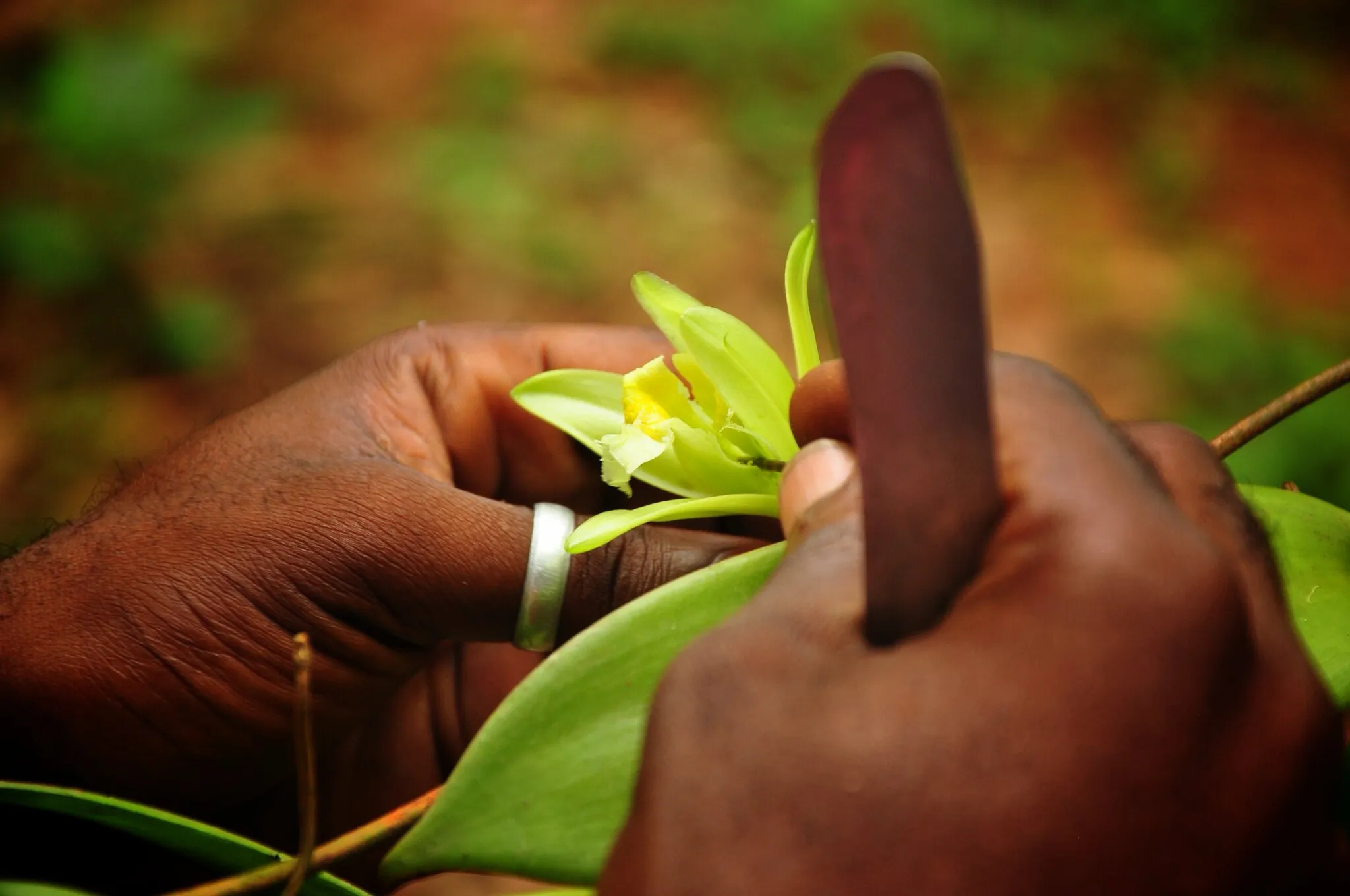
Zanzibar was once the world’s largest clove exporter, and the spice farms in the interior are still working. A good spice tour takes you through vanilla, nutmeg, cardamom, black pepper, lemongrass, and a dozen other things you cook with every week but have never seen growing.
The guides are usually excellent - they know the plants intimately and they’ll have you crushing leaves, smelling bark, and tasting things straight off the branch. It’s more engaging than it sounds, especially if you cook.
Most tours combine the spice farm with a stop at a local village and lunch cooked from what you’ve just seen harvested. That’s the version to book.
Half a day. Best done in the morning before it gets hot.
Prison Island (Changuu Island)
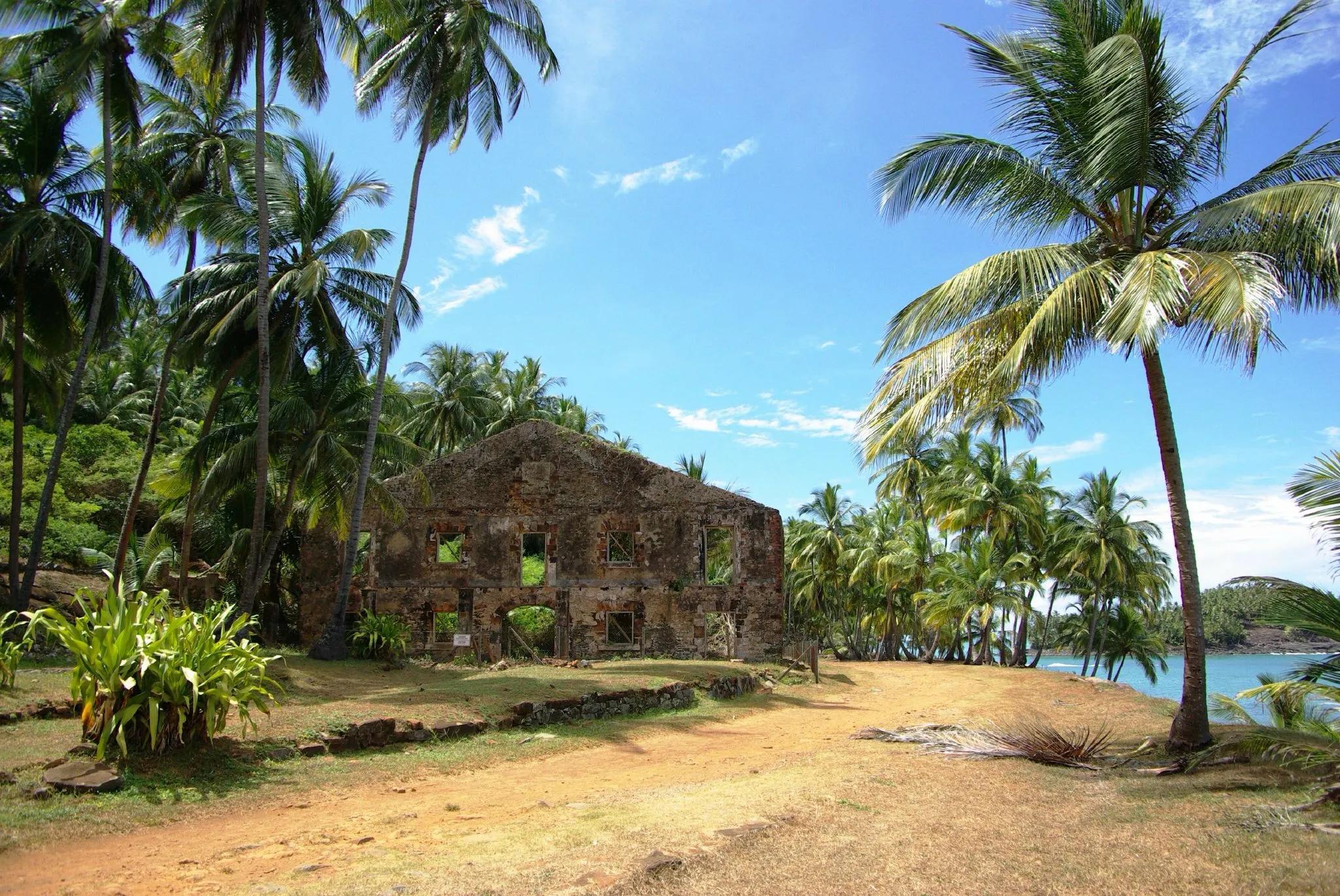
A short boat ride from Stone Town brings you to Changuu, a small coral island that was used as a quarantine station and, briefly, a holding facility for slaves who were too sick to sell. The history is worth knowing.
What most people come for are the Aldabra giant tortoises. A population was introduced here over a century ago and they’ve been thriving ever since. The oldest residents are well over 100 years old. They’re enormous, unhurried, and completely unbothered by people.
The snorkeling around the island is decent - not Mnemba-level, but the reef is intact and the water is clear.
Half a day, usually combined with Stone Town.
Mnemba Atoll
This is the snorkeling and diving highlight of the island, and it’s not close. Mnemba is a small private island off the northeast coast, surrounded by a protected marine reserve. The reef is in excellent condition - hard corals, abundant fish, good visibility. Dolphins are common in the channel.
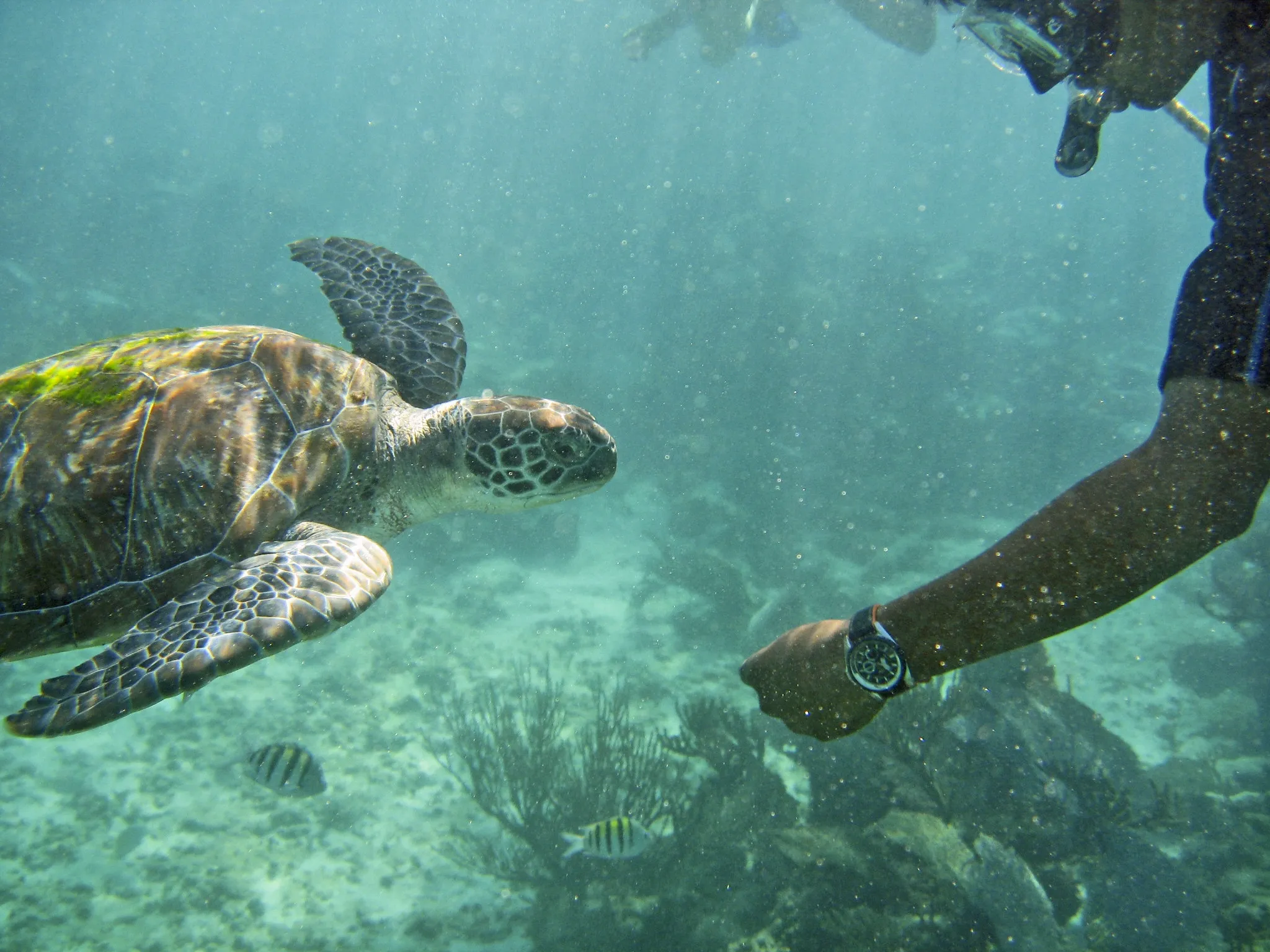
If you dive, this is where you want to be. Humpback whales pass through between July and September. Green turtles nest on the beach. On a good day it’s as good as anywhere in the Indian Ocean.
The boat trips leave from the northeast coast (Matemwe or Nungwi) and take around 45 minutes. Go with an operator who knows the marine park rules - it’s a protected area and anchoring on the reef is prohibited.
Full day. Go early, the wind picks up in the afternoon.
Jozani Forest
Zanzibar’s only national park sits in the center of the island, and it’s the last stronghold of the Zanzibar red colobus monkey - a subspecies found nowhere else on earth. There are only a few thousand left.
The monkeys are habituated to people and come close enough that you feel slightly self-conscious about making eye contact. The forest itself is beautiful - coastal rainforest with a mangrove boardwalk that takes you through a salt-water ecosystem most visitors never see.
It’s quiet, green, and completely different from the beach or Stone Town. A good counterpoint to both.
Two to three hours. Works well combined with a spice tour on the same day.

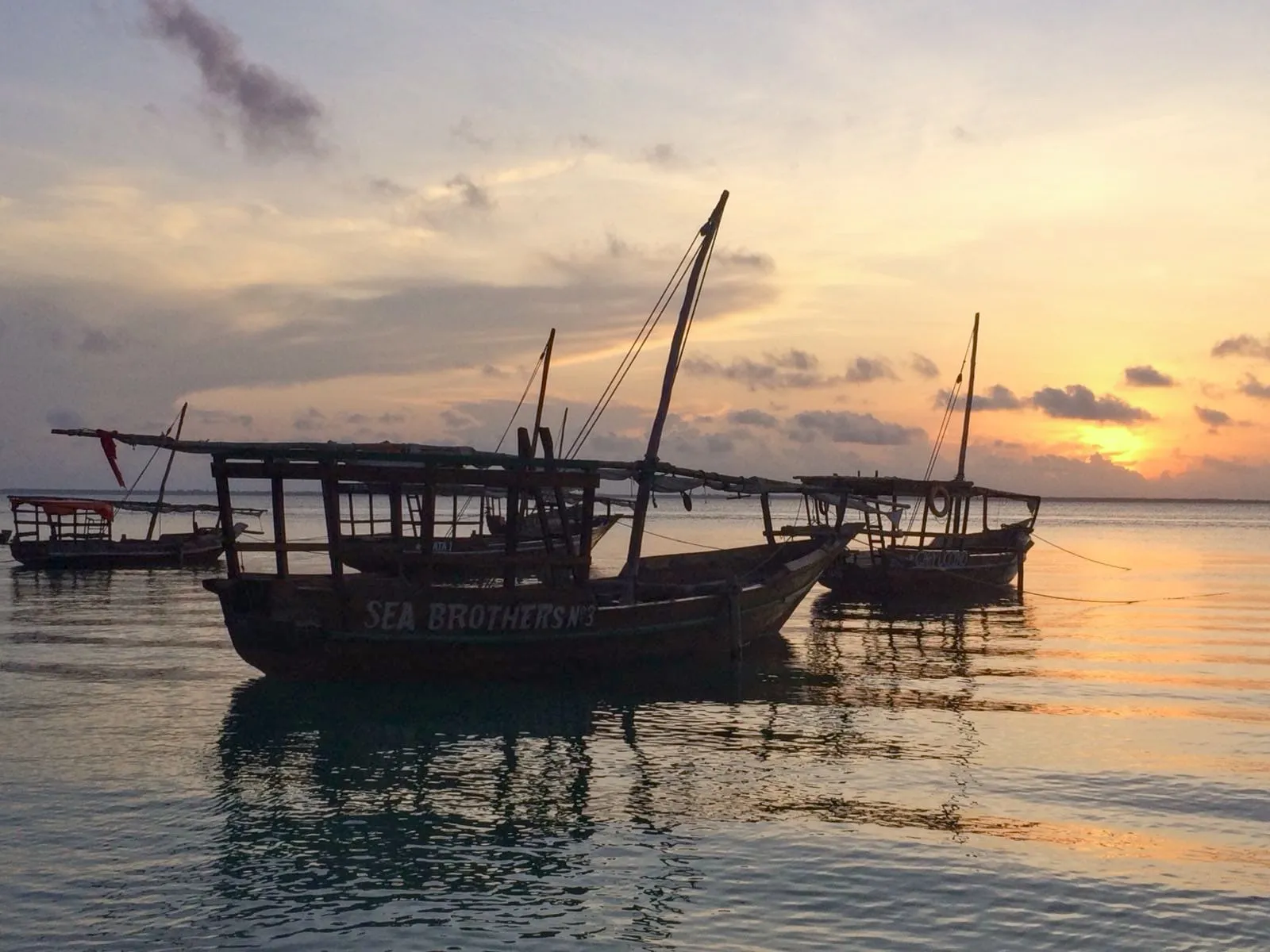
Sunset Dhow Cruise
There are sunset cruises and there are sunset cruises. The cheap ones are crowded catamaran party boats with warm beer and music you didn’t choose. The good ones are traditional wooden dhows - no engine, just sail - with a handful of people, cold drinks, and nothing to do but watch the sky change color over the Indian Ocean.
Book the dhow version. It costs more. It’s worth it.
Two hours at sunset. Most depart from Stone Town or Nungwi.
Nakupenda Sandbank
A shifting sandbar that appears at low tide a few kilometers off Stone Town. At high tide it’s underwater. At low tide it’s a perfect white strip of sand in the middle of the ocean with no shade, no facilities, and no one trying to sell you anything.
Trips usually include a snorkel stop and a seafood barbecue on the sand. It’s one of those places that looks unreal in photos and somehow looks even better in person.
Half day, tide-dependent. Best from October to March.
Dolphin Tour (Kizimkazi)
The village of Kizimkazi on the southwest coast is where spinner and bottlenose dolphins come to feed in the mornings. Boats go out early to find them, and when conditions are right you can snorkel alongside them in open water.
Two honest caveats: the quality of the experience depends heavily on which operator you go with, and the industry here has a patchy record when it comes to how boats approach the animals. Responsible operators keep their distance, move slowly, and don’t chase. If the boat captain is revving the engine toward the pod, that’s your sign something is off.
When it works - calm water, a good skipper, a curious pod - it’s genuinely extraordinary. Spinner dolphins in particular are acrobatic in a way that feels almost performative.
Early morning, half day. Best from November to March.
Deep Sea Fishing
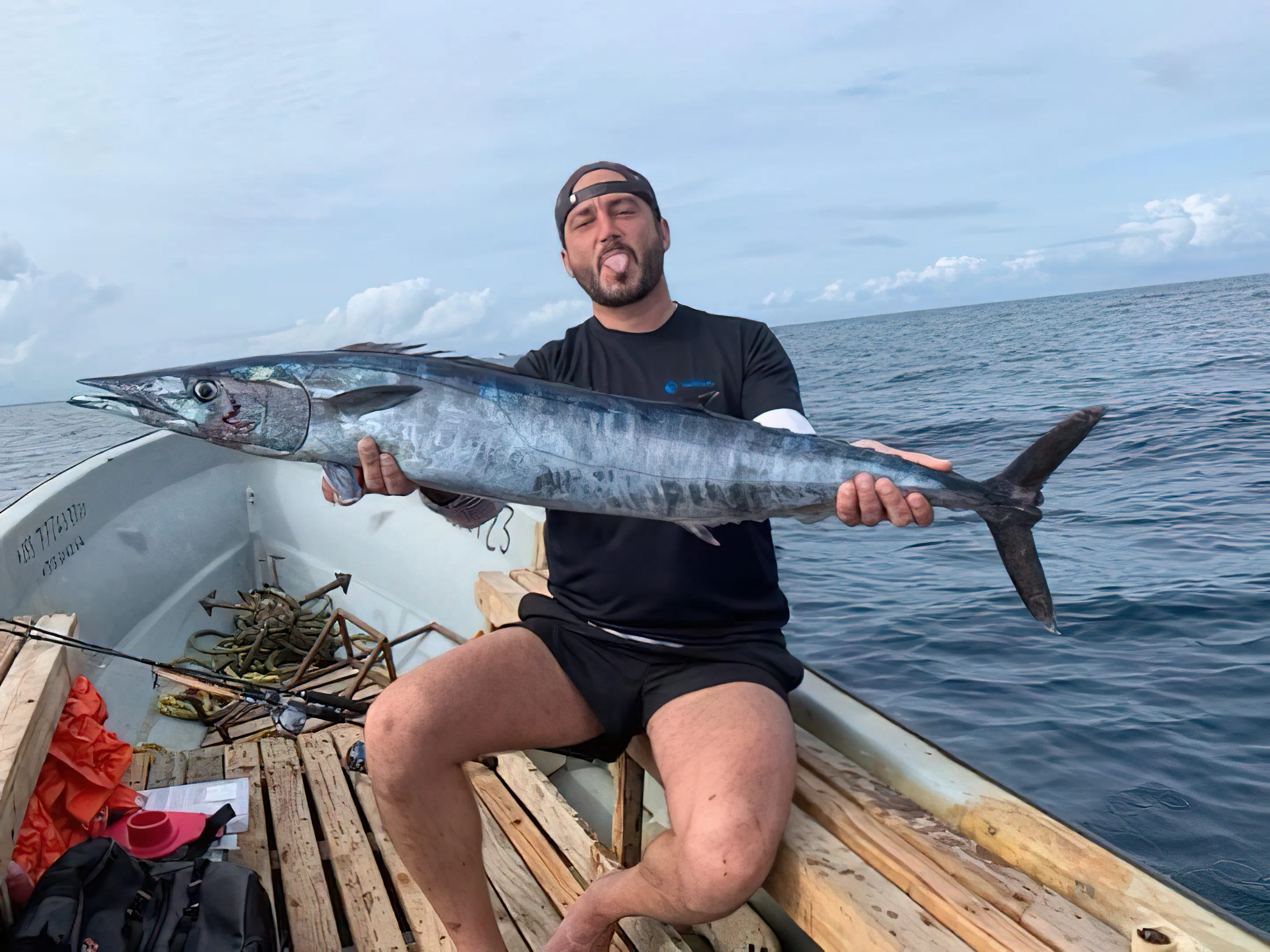
The waters off Zanzibar sit on the edge of the continental shelf, which means big open-ocean fish aren’t far. Blue marlin, yellowfin tuna, wahoo, sailfish, and dorado are all present depending on the season. This is serious sport fishing, not a casual half-day boat trip.
Charters run out of Nungwi and Stone Town. A proper charter includes decent rods, a captain who knows where to go, and enough space on deck to fight a fish. The best months for marlin are November through March when the water is warm and the southeast monsoon has eased. Tuna run year-round.
Catch and release is the norm for billfish. If you want to keep what you catch, agree that upfront.
Full day. Book at least a week in advance during peak season.
Horseback Riding
This one surprises people. The northeast coast - mostly around Matemwe and Paje - has a handful of operators running rides along the beach and through the bush behind the shore. Early morning, before the heat sets in, is the right time.
The horses are generally well-kept and the rides are relaxed enough for people who haven’t ridden much, but talk to the operator first if you’re a complete beginner. Sunset rides along the beach are the popular option and they look exactly like they sound.
It’s a different way to move through the landscape - slower than a motorbike, quieter than a quad. For the right person, it’s the best hour of the trip.
One to two hours. Morning or late afternoon.
Practical Notes
Most excursions can be arranged through your hotel, but the quality varies considerably. At Jumbo Trails, we include Zanzibar planning as part of our Tanzania itineraries - the same attention to detail we bring to the safari side, applied to the island extension. We work with guides and operators we know personally.
If you’re combining a safari with Zanzibar, build in at least four nights on the island - two to decompress, two to actually explore. People who allow only two nights almost always wish they’d stayed longer.
The best months are June through October (dry, not too hot) and January through February (short dry season). Avoid the long rains in April and May if you’re planning activities on the water.