It is always the right time to visit Serengeti
When to Visit the Serengeti for the Best Wildlife Viewing
The plains never stop moving. But knowing when to go means the difference between a good trip and one that changes you.
There is no wrong time to visit the Serengeti. But there is always a right one - for you.
The Serengeti spans nearly 15,000 square kilometres of open savanna, acacia woodland, and rocky kopjes. Its wildlife doesn’t sleep, migrate on cue, or wait for convenient lighting. What changes with the seasons is what you can witness, where you need to be, and what your experience will feel like on the ground.
This guide breaks down every month, what’s happening, and what you should realistically expect.
The Serengeti Year at a Glance
| Month | Season | What’s Happening |
|---|---|---|
| January | Dry / Warm | Calving begins - herds on southern plains |
| February | Dry / Warm | Peak calving - highest predator activity |
| March | Rains begin | Migration starts moving north |
| April | Long rains | Low season - dispersed herds, quiet parks |
| May | Long rains | Lowest crowds, lush green, excellent birding |
| June | Dry begins | Herds heading north - shoulder season sweet spot |
| July | Dry | River crossings begin - northern Serengeti |
| August | Dry | Peak crossings - peak season |
| September | Dry | Crossings continue - herds begin south |
| October | Short rains | Migration spreading south - underrated month |
| November | Short rains | Green up, good game, fewer tourists |
| December | Dry / festive | Herds back south - calving cycle starts again |
01 - Calving Season: The Southern Plains
January · February · into March
Every year, around half a million wildebeest calves are born in the Ndutu area and the short-grass plains of the southern Serengeti. It happens in a compressed window - roughly three weeks - and it is one of the most extraordinary wildlife spectacles on the planet.
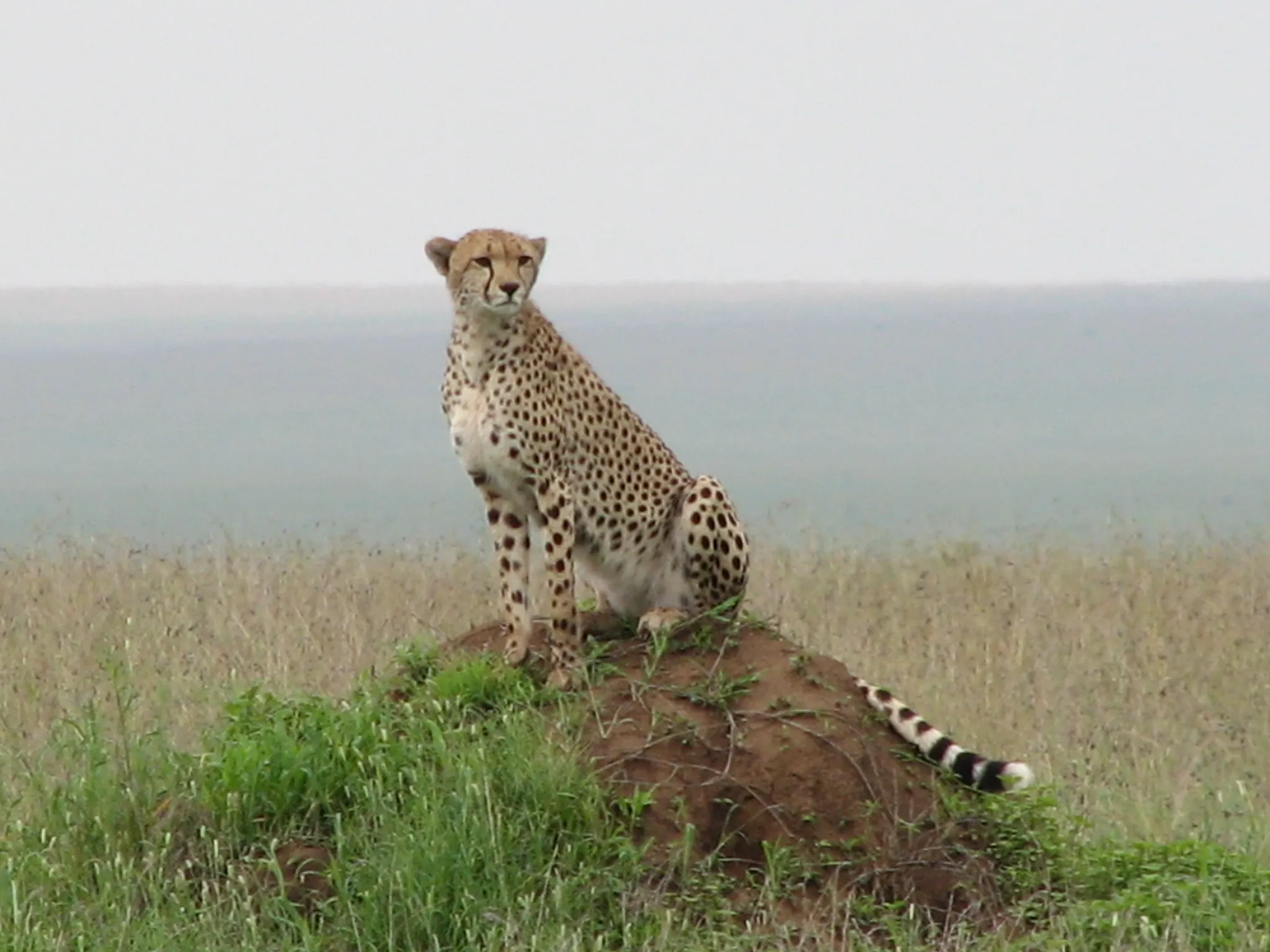
The calves are on their feet within minutes of birth. Within days, they’re running. They need to be. The concentration of predators during calving is unlike anything you’ll see at any other time. Lions, cheetahs, hyena clans, leopards, African wild dogs - they are all here, hunting in daylight, hunting at dusk, hunting through the night.
Photographer’s note: January and February offer some of the most dramatic light and action you’ll find anywhere in Africa. Calving scenes, predator interactions, and vast plains with golden afternoon light. Bring long glass - 400mm minimum - and plan your mornings in the field by 6am.
The weather is warm and largely dry in January. February can bring afternoon showers, but these are short and the air after rain is electric. The grass is short on these plains - visibility is excellent. This is not the river crossings, but for raw predator drama and sheer emotional intensity, calving rivals anything else the Serengeti offers.
Wildlife highlights: Wildebeest calving · Cheetah hunting · Lion prides active · Hyena clans · Leopard · African wild dog
Who should go: Wildlife photographers, anyone wanting serious predator action, first-timers who want guaranteed sightings in a concentrated area. Families do well here - the open terrain makes spotting easy.
02 - Green Season: The Quiet Serengeti
March · April · May
The long rains arrive in March and the Serengeti transforms. The plains go from golden to green within days. Waterholes fill. The air smells different. And most tourists go home.
April and May are the quietest months in the Serengeti. Some camps close. Prices drop significantly. The roads get heavy - some are impassable without a serious 4WD. This is not a trip for everyone. But for the right traveller, it is something else entirely.
The animals are still here. All of them. The herds disperse across the ecosystem because water and grass are everywhere - you lose the concentration but gain something else: solitude. You might have a leopard sighting to yourself. A pride on a kill with no other vehicles in sight. The Serengeti as it was before tourism, almost.
The honest truth: Green season requires flexibility, a good operator, and the right mindset. If you need guarantee over experience, wait for the dry season. If you want the Serengeti to feel like it belongs to you, go in April.
Birdlife peaks during the rains - migratory species are present, resident birds are breeding and displaying. For birders, this is arguably the best time of year.
Wildlife highlights: Dispersed herds · Excellent birding · Breeding season · Predators active · Lush scenery
Who should go: Repeat visitors, budget-conscious travellers willing to trade some comfort for exclusivity, serious birders, photographers after unique compositions without vehicle congestion.
03 - The Dry Season & River Crossings
June · July · August · September
This is what most people picture when they think of the Serengeti. The great migration is on the move, following rain patterns northward into the Mara. By July, massive herds are gathered along the Grumeti and Mara rivers - and then the crossings begin.
A river crossing is not guaranteed. The wildebeest gather at the bank, seem ready, then turn back. They do this for hours. Sometimes days. And then, without obvious trigger, they go - thousands of animals plunging into croc-filled water, surging across in a chaos of dust and sound and desperate movement. When it happens, there is nothing like it in the natural world.
Manage your expectations: Crossings are unpredictable. Some guests wait three days and miss one. Others witness one on their first game drive. The waiting itself is part of it. Position yourself well with a good guide and embrace the tension - that’s the experience.
Outside the crossings, the dry season is peak game viewing. Vegetation is sparse, animals concentrate around remaining water sources, and visibility is excellent. Lion, leopard, elephant, and buffalo are reliably sighted. This is also when camps fill up - book early, and expect more vehicles at sightings.
June is a shoulder period - lower crowds than July/August, cooler mornings, excellent game. Many experienced guides quietly recommend June as the sweet spot of the year.
Wildlife highlights: Mara River crossings · Grumeti crossings · Big Five reliable · Northern Serengeti · Dry conditions
Who should go: First-time visitors who want a classic safari. Families. Anyone who has the Serengeti on their bucket list. Book 12–18 months ahead for July and August.
04 - The Short Rains: Migration Returns South
October · November · December
October brings the short rains and the herds begin their southward movement back across the Serengeti toward the Ndutu plains. The ecosystem is transitioning - still largely dry in the northern corridors in October, green and active by November.
This is an underrated time. Crowds thin out. The light softens. The herds are on the move again - spreading across the central Serengeti in a spectacle that doesn’t get the same attention as the Mara crossings, but is no less impressive in scale.
October is underrated: Shoulder rates, lower visitor numbers, good game density, and the start of the rains turning everything green. If your dates are flexible, October deserves serious consideration.
December is festive season - rates go up and some areas get busy again. But the wildlife is excellent. By late December, the herds are back in the south and the calving cycle is about to begin again.
Wildlife highlights: Migration heading south · Dramatic skies · Fewer tourists · Central Serengeti active · Resident wildlife year-round
Who should go: Repeat visitors, photographers who want dramatic storm light, anyone who prefers a quieter experience with excellent value outside of December.
Before You Book
The Serengeti is not one place. Northern, central, and southern Serengeti behave differently across the year. Where you stay determines what you see. A camp in Seronera in August will not give you crossings. Plan your location, not just your dates.
Book earlier than you think. Premium camps along the Mara River fill 12 to 18 months out for July and August. If you want specific dates at specific properties, plan well ahead.
Rain doesn’t ruin a safari. Afternoon showers in green season typically last 30–60 minutes. Animals continue to behave normally. Photographers often prefer overcast skies. Don’t let “rainy season” language deter you.
Your guide matters more than your timing. An exceptional guide in a quiet month will outperform an average guide in peak season every time. Ask who will be guiding you. Ask about their specific Serengeti experience. This is the most important variable after accommodation.
Light changes everything. The first and last two hours of daylight are your best windows in every month. Structure your game drives around golden hour, not midday. Great sightings at noon are frustrating with flat, harsh light.
Combine parks strategically. Pair the Serengeti with Ngorongoro, Tarangire, or Lake Manyara to balance what each park offers across different times of year. A 10-day Northern Tanzania circuit can give you multiple wildlife experiences across ecosystems.
Ready to plan your Serengeti trip? Get in touch with Jumbo Trails - tell us your dates, priorities, and budget, and we’ll build something worth making the journey for.