Don't overpay for your Tanzania Safari Lodges
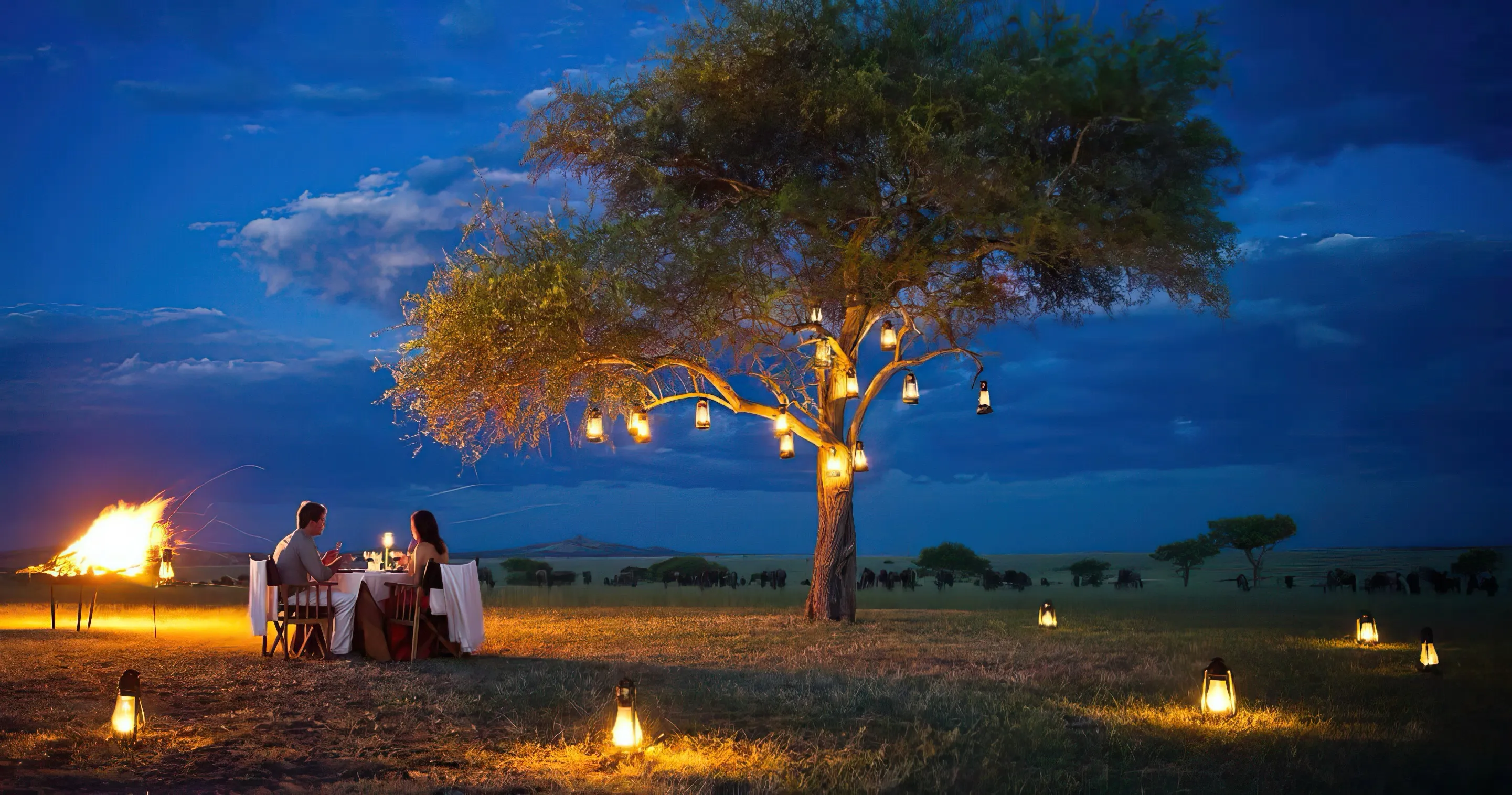
Tanzania Safari Lodges & Camps: Don’t Overspend
Accommodation is the single biggest cost on any Tanzania safari. Here’s how to think about it - and where the real value actually lives.
Let’s be direct: a Tanzania safari can cost anywhere from $200 to $2,000+ per person per night, and the difference is largely accommodation. Flights, park fees, and transfers are relatively fixed. The lodge or camp you sleep in is where your budget either works for you or disappears quietly into someone else’s marketing budget.
This is not a guide telling you to go cheap. It’s a guide to spending smart - understanding what you’re actually paying for, where premium makes sense, and where it doesn’t.
What You’re Actually Paying For
Before talking about tiers, understand what drives the price of safari accommodation in Tanzania:
Location within the park. Private conservancies and concessions with exclusive game-viewing rights cost more. A camp inside the Ngorongoro Crater rim costs more than one on the outer edge - and delivers a meaningfully different experience.
Exclusivity. A camp with 6 tents and its own private land charges differently than a 40-room lodge on the park boundary. Fewer guests, more personalised guiding, less vehicle congestion at sightings.
Seasonality. Peak season (July–October, January–February) can be 30–60% more expensive than green season at the same property. The wildlife experience is genuinely different - but so is the price.
All-inclusive structure. Most safari camps bundle accommodation, meals, game drives, and sometimes park fees into one rate. Always confirm exactly what’s included. “Full board” and “fully inclusive” are not the same thing.
Operator margin. If you booked through three intermediaries, each added their margin. You may be paying a premium lodge price for a mid-range lodge experience because the markup is buried in the package.
The Four Tiers - Honestly Described
Budget: $80–$200 per person per night
Public campsites, basic guesthouses outside park gates, and simple bandas. These exist and work for overlanders and travellers with time to spare. Game drives require hiring a separate vehicle, which eats into savings quickly. You’re also usually outside the park, which means longer drives to wildlife areas. Jumbo Trails makes this easier and cheap by joining you with an existing group and guide.
Honest verdict: Works if you’re young, flexible, and doing a longer trip. Not suitable for most first-time safari visitors who have limited time and specific expectations.
Mid-range: $200–$500 per person per night
This is where the majority of quality safaris live - and where the best value often hides. Mid-range camps in Tanzania have improved dramatically in the last decade. Comfortable tents or chalets with en-suite bathrooms, good food, Eco-friendly and good WIFI. Many are genuinely excellent.
The key variables at this tier:
- Location matters more. A mid-range camp with a great position inside Tarangire beats a premium camp on the boundary of a secondary park.
- Guide quality varies widely. Ask specifically who guides you and what their experience is.
- Green season discounts are real. The same mid-range camp in May can be 40% cheaper than in August. The accommodation is identical.
Who this works for: First-time visitors, families, anyone on a structured 7–12 day itinerary who wants comfort without paying for things they won’t use.
The underrated sweet spot: Several smaller, owner-operated camps in the $300–$450 range consistently outperform large branded lodges at $600+ on guiding quality, food, and personalised experience. The branding adds cost. The experience doesn’t always follow.
Luxury: $500–$1,000 per person per night
At this tier you’re paying for elevated design, stronger food and beverage programs, private guiding, and properties that have invested heavily in their physical experience - pools, spa treatments, open-plan suites with views.
The wildlife experience is not necessarily better than mid-range. The game is the same game. What changes is everything around it.
This tier makes sense when:
- The trip is a once-in-a-decade event (honeymoon, milestone birthday)
- You genuinely value the quality of your physical environment
- You want private guiding - some luxury camps offer customised game drives rather than shared vehicles
- You’re combining with a beach extension and want the contrast
Honest verdict: Worth it if you’ll actually appreciate it. A waste of money if you’re going to spend 90% of your day in a Land Cruiser anyway.
Ultra-luxury: $1,000–$2,500+ per person per night
Private conservancies, exclusive-use villas, private tented camps with butler service. These exist, they’re extraordinary in some cases, and they are priced accordingly.
What you genuinely get that you can’t get elsewhere: total exclusivity, activities unavailable in national parks (night drives, bush walks, off-road driving), and access to landscapes without another vehicle in sight.
Who this is for: People for whom cost is not the primary decision variable, and who want a private, curated experience. If you’re asking whether it’s worth it, it probably isn’t for you - and that’s completely fine.
Where People Overspend Without Realising
Paying for a brand when the experience is average
Several large international lodge brands command significant premiums on name recognition. The actual guiding, game drive experience, and food quality at some of these properties is matched or exceeded by smaller independent camps at 40% lower cost. Research the specific property, not just the brand.
Booking peak season out of habit
Most people assume they need to go in July or August. Many don’t have a specific reason - they just heard “that’s when you go.” Green season (April–May) offers the same ecosystem, identical animals, dramatically better prices, and zero vehicle congestion. If you’re a photographer, green season light and empty locations are often preferable.
Too many parks, too many moves
A 10-night itinerary visiting six parks sounds impressive. In practice, you spend significant time in transit, packing and unpacking, and never going deep into any single ecosystem. More movements also mean more accommodation costs overall. Two or three parks done properly almost always beats six parks done superficially.
Not asking what’s included
“Full board” typically means accommodation and meals. Park fees, game drives, laundry, and drinks may be extra - and park fees in Tanzania are not trivial ($60–$70 USD per person per day in most parks). Always get a line-by-line breakdown before booking.
Booking through too many layers
The more intermediaries between you and the camp, the higher the price you pay. Working directly with a Tanzania-based operator who has direct relationships with properties saves margin at every step. We have excellent cooperation with the hotels and lodges and they actually give official safari tour operators like Jumbo Trails, a special discounted price. It also means better communication when things need adjusting on the ground.
How to Actually Spend Smart
Identify your non-negotiables first. Wildlife? Photography? Comfort at night? Partner experience? Once you know what you genuinely care about, you stop paying for what you don’t.
Mix tiers strategically. A $350/night camp in Tarangire and a $650/night camp for two nights in the Serengeti during crossings is a smarter allocation than five nights at $600/night across the board.
Prioritise location over brand. A well-positioned mid-range camp inside the park will deliver more wildlife than a luxury lodge on the boundary. Always.
Consider shoulder season. June and October offer the best combination of good wildlife, manageable crowds, and reasonable rates. Neither month gets the marketing attention of July or January but both consistently deliver excellent safaris.
Ask the operator directly: “Where would you cut if my budget was 20% smaller?” A good operator will tell you honestly. If they can’t answer that question, find a different operator.
Don’t confuse price with quality of experience. The Serengeti doesn’t know which camp you slept in. The lion kill happens in front of the $250 Land Cruiser the same as the $1,800 one.
A Realistic Budget Framework
For a 10-night Northern Tanzania safari (Serengeti, Ngorongoro, Tarangire) including accommodation, game drives, park fees, and domestic transfers - but excluding international flights:
| Tier | Per Person (sharing) |
|---|---|
| Mid-range | $4,500 – $7,000 |
| Luxury | $8,000 – $14,000 |
| Ultra-luxury | $15,000 – $30,000+ |
Solo travellers typically pay a single supplement of 25–50% on top of the sharing rate - worth factoring in early if you’re travelling alone.
Green season rates at the same properties can reduce mid-range costs by 25–40%.
The Bottom Line
The best safari is not the most expensive one. It’s the one where your budget was allocated to the things that actually mattered to you on the ground - and not to things that sounded good in a brochure.
Know what you want. Be honest about your budget. Work with an operator who has skin in the game and real relationships in Tanzania. And don’t let anyone sell you six parks when three will do the job better.
Planning a Tanzania safari and want a straight conversation about what your budget can realistically deliver? Talk to Jumbo Trails - we’re based in Tanzania, we know these properties personally, and we’ll tell you exactly what you’re getting.